
Use this page when the project needs a focused quote path.
5052 vs 6061 for formed parts
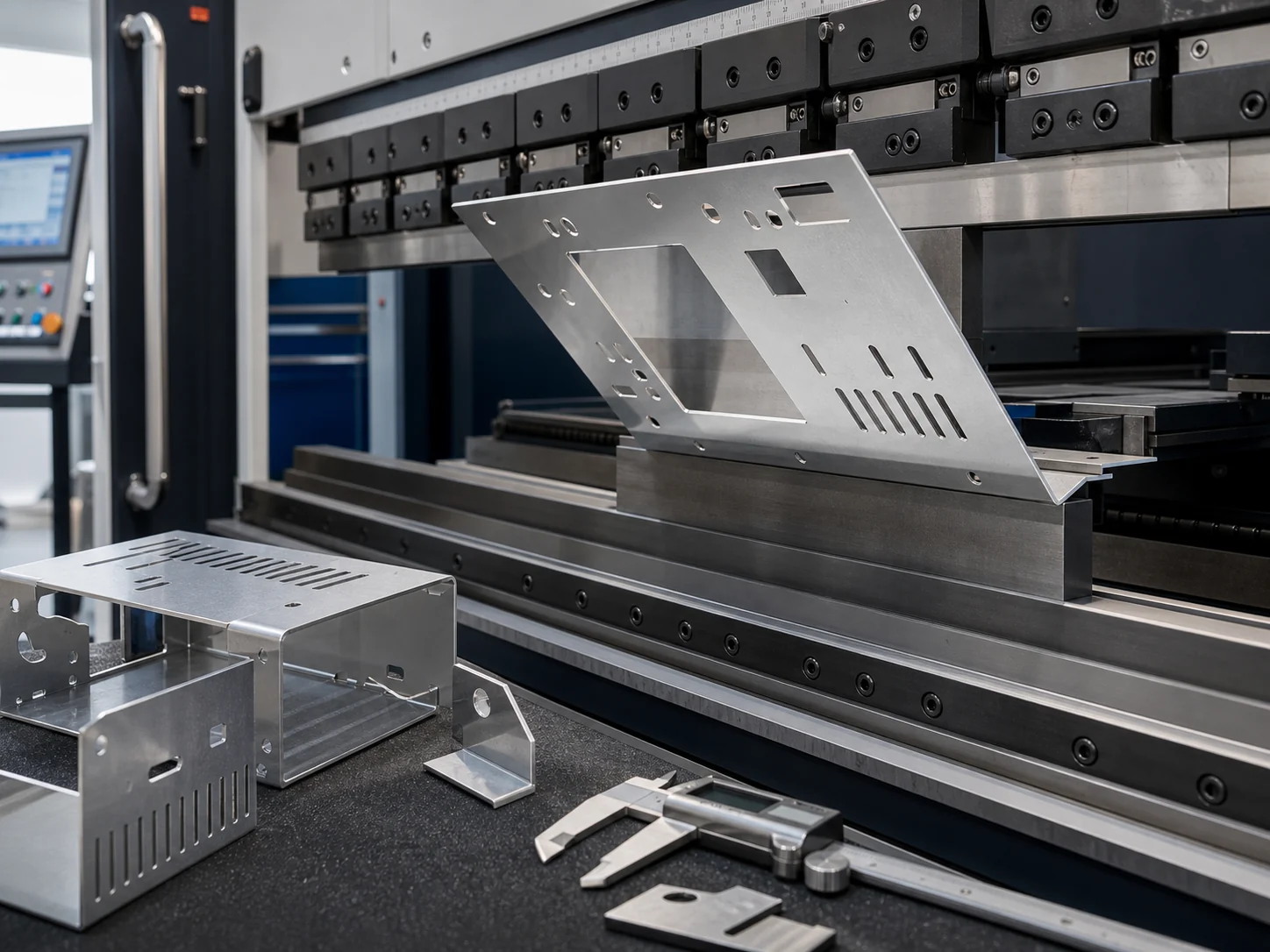
5052 aluminum is commonly selected for formed enclosures and panels because it is more bend-friendly. 6061 may be useful when strength or machining features matter, but tight bending needs more careful radius review.
Finish and cosmetic planning
Aluminum parts may be powder coated, anodized or brushed depending on function and appearance. The buyer should identify cosmetic faces, masking areas, color expectations and acceptable variation before sampling.
Hardware and inspection notes
PEM inserts, threaded standoffs and grounding points need panel thickness and insertion-side review. Critical hole locations should be marked on the PDF drawing when fit matters.
Direct answers for this RFQ path
Which aluminum is common for formed enclosures?
5052 aluminum is often a practical choice for formed enclosures and panels because it bends more easily than 6061 in many sheet metal applications.
When is stainless steel a better choice?
304 or 316 stainless steel can be a better choice when corrosion resistance, cleaning, heat exposure or appearance matters more than low weight or low cost.
Why does material thickness matter?
Thickness affects laser speed, bend radius, minimum flange size, hardware insertion, weight, strength, coating behavior and final part cost.
Can Axmetra suggest material alternatives?
Yes. Material alternatives can be discussed when the buyer shares function, finish, strength, corrosion exposure, cosmetic needs and cost priorities.
| Buyer decision | Manufacturing impact |
|---|---|
| Alloy and temper | Controls bend feasibility, surface result and availability. |
| Thickness and bend radius | Affects cracking risk, tooling choice and formed dimensions. |
| Finish target | Changes pretreatment, masking, color review and packing. |
| PEM insert locations | Requires hole size, panel thickness and insertion direction checks. |
| Quantity tiers | Separates prototype price from pilot or repeat production assumptions. |